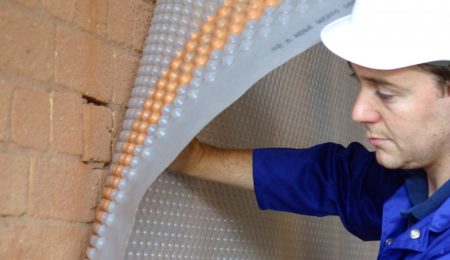
- A damp-proof course is a strip made from either plastic or bitumen felt which is built into the wall at around 15cm above ground level.
- A damp-proof membrane is a sheet of water resistant material which is laid under the floor and connected to the damp-proof course to create a complete seal, protecting the floor and wall from any ground water.
Most new houses will have these damp prevention methods already built in, this is because of modern building regulations (Part C for England and Wales) where this level of damp proofing is compulsory. However older houses, particularly ones that were built before 1875 are unlikely to have this level of damp prevention already built in. This is why we tend to see older properties suffering from rising damp.
It is also worth noting that if you are doing any work to your property such as laying a patio or decking, make sure care is taken to not damage or bridge the damp-proof course as this could cause damp to get in
How to spot rising damp
Rising damp only occurs at ground level and the most common symptoms are damage to the skirting boards or crumbling plaster on the walls and peeling paint or wallpaper. Another symptom you might spot is a white powder, or even what looks like a tide mark along the wall which is evident up to a height of around one metre from the ground. This is caused by the water that is rising up through the walls dissolving some of the salts from the ground and building materials, which then crystallise to form a powder, mix this with more water and you get that tell-tell tide mark.
If the problem is coming from the floor you are likely to spot your floor coverings lifting or damp patches appearing.
Penetrating Damp
Penetrating damp is caused by water leaking through the wall, this type of damp is caused by a horizontal water movement, rather than travelling up the walls like rising-damp and may extend across your walls and ceiling.
Usually, penetrating damp is caused by a property maintenance problem such as failing guttering or roofing or cracks in the walls which cause them to be regularly soaked in water until they become saturated. Another cause of penetrating damp is an internal leak somewhere; this could extend to pipes under the sink or bath. Even a very small leak, over time can cause extensive damage to your property.
How to spot penetrative damp
Like rising damp, the first signs are often on the walls, you may spot a damp patch that gets darker when it rains and possibly plaster that begins to bubble. The most common differentiator between rising and penetrative damp is the height at which it occurs. Rising damp will only occur up to a metre from the ground, whereas penetrating damp can occur anywhere.
You are again, more likely to suffer from penetrative damp if you live in an older property with solid walls, because these will become saturated more quickly, whereas newer homes tend to have cavity walls which do provide some additional protection.